
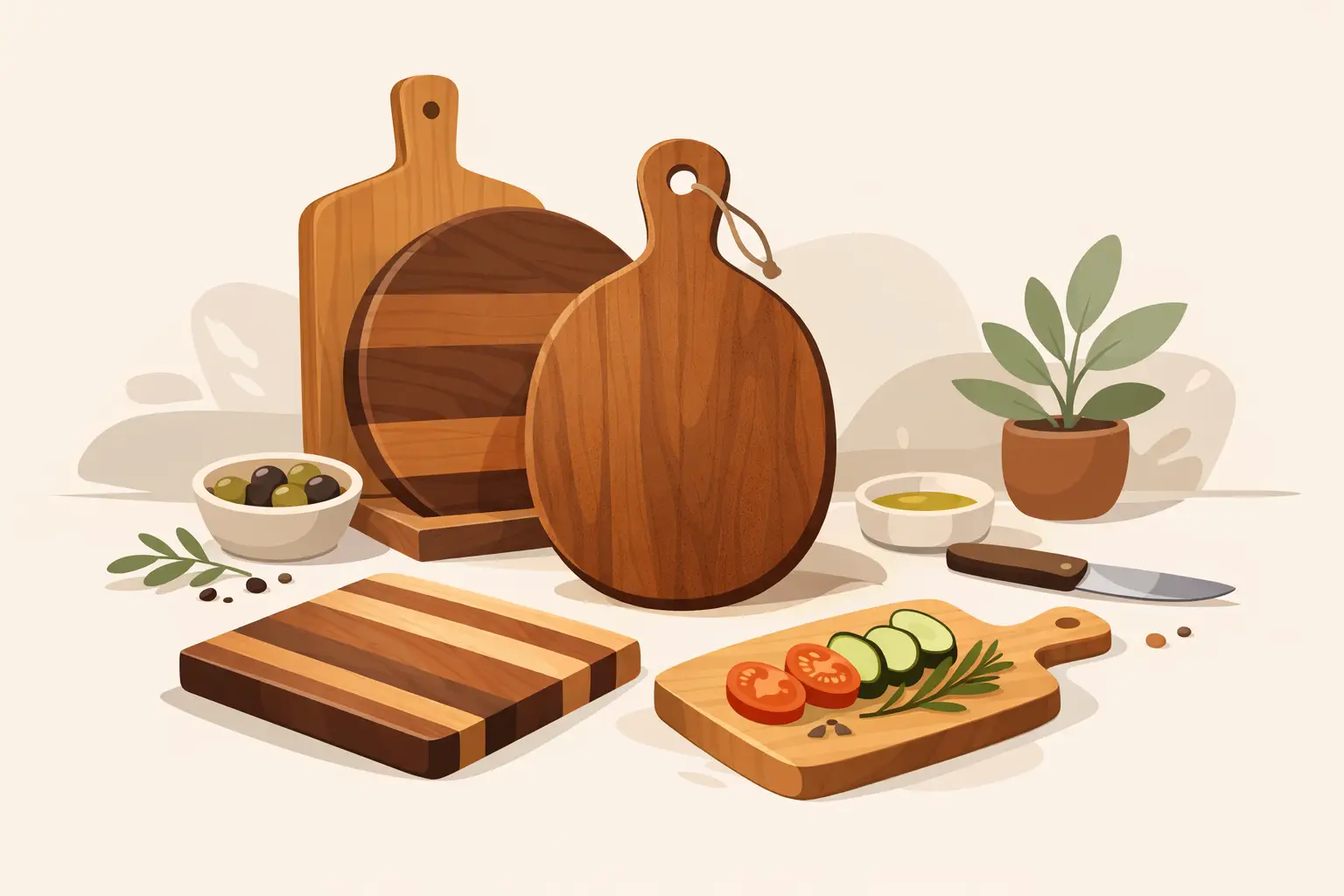
A cutting board gets handled more than almost anything else in the kitchen. It takes knife marks, moisture, heat, and daily cleanup without much attention until it starts to warp, split, or look worn out. That is exactly why shoppers looking for handcrafted cutting boards for sale are usually not just buying a kitchen accessory. They are trying to buy something that feels better to use, holds up longer, and looks like it belongs in the room.
A well-made wood cutting board does more than give you a place to prep vegetables or carve a roast. It adds weight, stability, and character to the countertop. More important, it solves a common problem with mass-produced boards. Store-bought options often come in limited sizes, thinner stock, and generic finishes that do not always hold up to real kitchen use. If your space, style, or cooking habits are specific, standard inventory can feel like a compromise.
Why handcrafted cutting boards for sale stand out
The biggest difference is not just that a board is made by hand. It is how that process affects the final product. A handcrafted board is typically built with closer attention to wood selection, grain direction, sanding, edge detail, and finish application. Those choices matter once the board is sitting in your kitchen and getting used every day.
Solid hardwood has a look and feel that factory-made composite materials cannot fake. It brings natural grain variation, warmth, and a substantial surface under the knife. When a board is built from quality lumber and properly finished, it tends to feel more secure on the counter and more durable over time. That does not mean every handmade board is automatically better. Construction still matters. Wood species matters. Thickness matters. So does how the board is expected to be used.
That is where buying from a real woodshop makes a difference. You are not choosing from a random imported product with unclear materials and vague dimensions. You are buying from people who understand how wood behaves and how to build around that.
What to look for when buying a handcrafted cutting board
Not every buyer needs the same board. Some want a daily prep surface that stays on the counter. Others want a gift-worthy statement piece for serving charcuterie, bread, or smoked meats. The best choice depends on how the board will be used most often.
Wood species affects performance and appearance
Hardwoods are the standard for a reason. They offer a better balance of durability, knife-friendliness, and visual appeal. Maple is a classic choice because it is hard enough for daily use while still being dependable and clean-looking. Walnut has a richer, darker tone that many homeowners prefer when they want a warmer, higher-contrast look in the kitchen. Other species can work too, but they should be selected with food-safe use and long-term stability in mind.
The right species is partly practical and partly personal. A lighter wood may fit a bright kitchen better. A darker board may pair better with black hardware, stained cabinetry, or natural stone. There is no single best answer. It depends on whether you prioritize a traditional prep-board look or a more decorative wood statement.
Thickness changes how a board feels
A thin board is easier to move and store, but it can also feel less substantial. A thicker board has more presence and usually offers better stability on the counter. For heavy prep, carving, or display use, a thicker board often feels like the better investment.
That said, bigger is not always better. If you need to carry the board from sink to island or use it in a smaller kitchen, too much weight can become inconvenient. A good board should match your routine, not just look impressive in product photos.
Size should fit the kitchen, not just the listing
This is one of the biggest reasons custom work matters. Many homeowners want a board that fits a specific section of countertop, sits neatly over part of an island, or works beside a range without crowding the workspace. Standard retail sizes do not always line up with real kitchens.
A handcrafted board built to the right dimensions feels intentional. It can turn an awkward open area into a useful prep station or give a smaller kitchen a more organized work zone. If you have ever bought a board that looked right online and felt wrong in person, sizing is usually the reason.
Custom options make a better board for real kitchens
When a board is made to order, you are not forced to settle for whatever is sitting on a warehouse shelf. You can choose dimensions that work with your counters, your storage, and your cooking habits. That is especially valuable for buyers who want something more specific than a generic rectangle.
Some customers want a compact everyday board. Others want a larger butcher-block style piece that can stay out full time. Some are matching existing wood tones in the kitchen. Others want a contrast piece that stands out. Customization allows the board to fit the room instead of asking the room to adapt to the board.
This is also where a direct-to-consumer maker has an advantage. You can ask questions before ordering, clarify measurements, and get guidance on what works best for the intended use. That kind of communication matters, especially when wood products are involved. Natural materials have variation, and a good shop will explain what to expect rather than hiding behind generic descriptions.
Why handmade beats big-box alternatives
Mass-market cutting boards are built for broad inventory turnover. They are designed to fit a price point and appeal to as many buyers as possible. That usually means limited material choices, limited sizes, and less attention to finishing detail. For some shoppers, that is enough. For buyers who care about fit, feel, and long-term value, it usually is not.
A handmade board tends to offer better material integrity and a more considered final product. Edges are cleaner. Sanding is more thorough. The wood itself often has more character. You can also feel the difference in use. A board with the right weight and thickness stays put better, handles prep more confidently, and simply feels like a real piece of craftsmanship.
There is a trade-off, of course. Handmade wood products often cost more upfront than budget retail options. But the better comparison is not price alone. It is cost against lifespan, daily use, and overall satisfaction. If a cheaper board warps, dries out fast, or needs replacing in a short time, it was not really the better value.
A cutting board can be practical and gift-worthy
One reason handcrafted cutting boards continue to sell well is that they work in two roles at once. They are useful kitchen tools, and they also make strong gifts. Housewarming gifts, wedding gifts, anniversary gifts, and holiday gifts all benefit from something that feels personal without being gimmicky.
A quality wood board has presence. It looks good on the counter, on the table, or leaned up as part of the kitchen decor. And unlike novelty gifts, it earns its place through daily use. That combination of function and appearance gives it staying power.
For homeowners updating a kitchen, the same appeal applies. A well-built cutting board can tie into butcher block counters, floating shelves, open shelving, or wood-accent furniture. It does not have to match perfectly to belong. It just needs to feel intentional.
Care matters, but it should not be complicated
A solid wood cutting board is not maintenance-free, but proper care is straightforward. Hand wash it, dry it promptly, and avoid leaving it soaking in water. Periodic oiling helps maintain the wood and keeps the surface looking its best.
That care requirement is sometimes presented like a downside. In reality, it is just part of owning a natural wood product. If you want genuine hardwood, a little upkeep comes with the territory. Most buyers find the trade-off worth it because the board looks better, feels better, and ages with more character than synthetic alternatives.
Choosing a board that lasts
If you are comparing handcrafted cutting boards for sale, look beyond the photos. Pay attention to material quality, sizing options, thickness, finish, and whether the seller clearly understands made-to-order woodwork. Good craftsmanship should show up in the details, but it should also show up in the buying experience itself. Clear communication, realistic expectations, and careful shipping all matter.
That is especially true when ordering from a shop like Tooill Cabinets, where custom wood products are built for real homes and real use. The right board should not feel mass-produced or disposable. It should feel like something built with purpose.
A cutting board may be one of the smallest wood pieces in the kitchen, but it gets some of the most consistent use. Buy one that fits your space, fits your routine, and still looks good after the novelty wears off.