
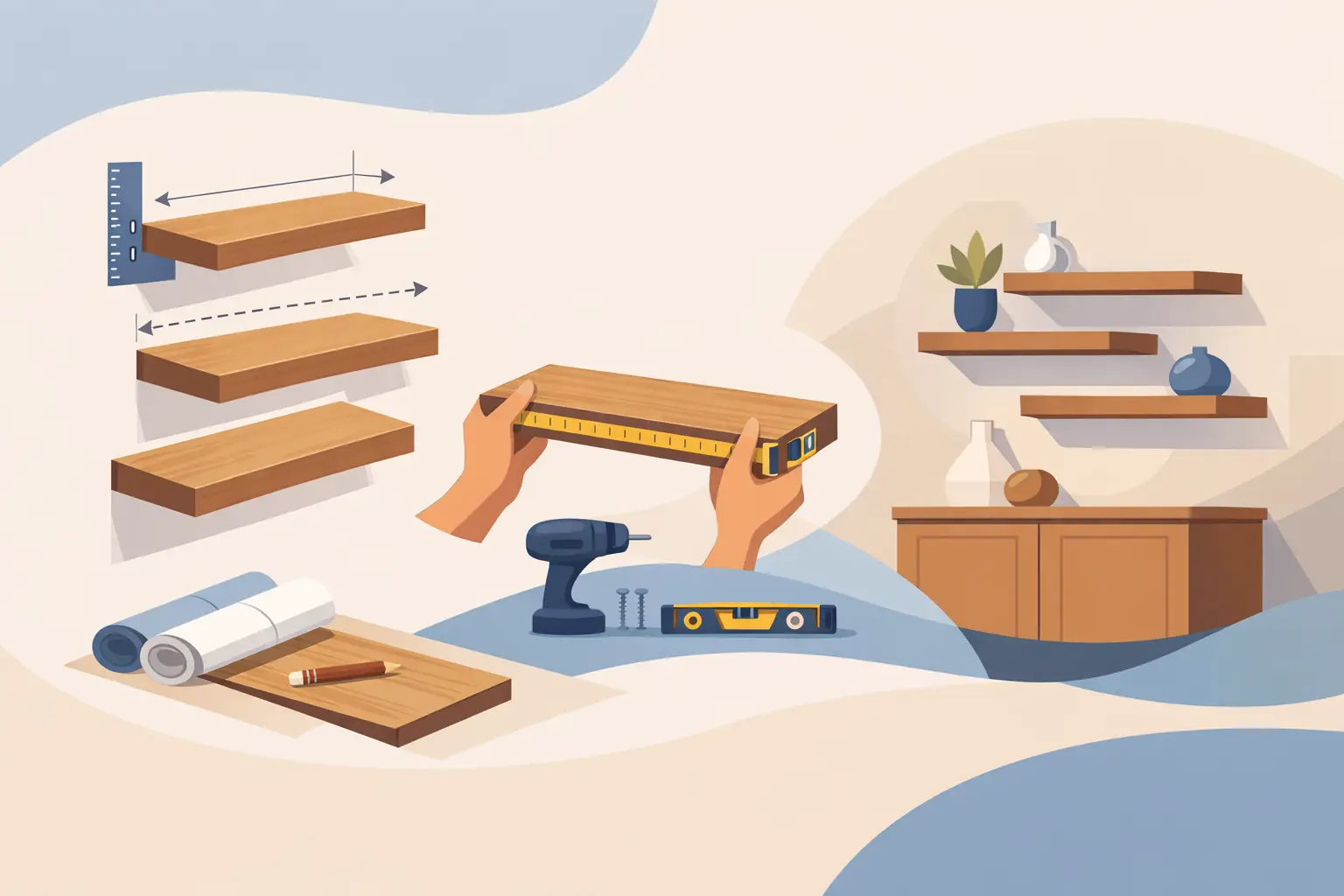
A shelf that is off by even half an inch can make a finished room look like an afterthought. That is why floating wood shelves custom size options matter so much. When the shelf fits the wall, the studs, the objects you plan to display, and the look of the room, the result feels built in instead of bought in a hurry.
For homeowners and remodelers, that difference is easy to spot. Stock shelving can work in simple spaces, but real homes rarely stay simple. Alcoves are uneven, walls are not always standard, and the ideal shelf depth for folded towels is not the same as the right depth for dinnerware or framed photos. Custom sizing gives you control where big-box options usually ask you to compromise.
Why floating wood shelves custom size options make sense
The biggest advantage is fit. A custom shelf is made for your actual wall width, your preferred depth, and the thickness that best matches the room. That matters in kitchens, bathrooms, laundry rooms, bars, offices, and built-in style living spaces where a few inches can change both function and appearance.
There is also the question of visual balance. A shelf that is too short can look accidental. One that is too deep can feel bulky and crowd the room. A floating shelf should look clean and intentional, not oversized for the wall or undersized for the job. Custom dimensions help you get that balance right.
Strength is another reason people go custom. Floating shelves need more than good looks. They need to hold what you actually plan to place on them. A shelf meant for cookbooks, stacked dishes, or heavy decor should not be treated the same way as a shelf meant for a small plant and a candle. Size, wood selection, bracket system, and installation all work together.
Choosing the right dimensions for your space
Custom does not mean guessing. It means sizing with a purpose.
Length
Shelf length usually starts with the wall section you want to fill, but it should not stop there. A shelf spanning nearly the full width of a niche can create a built-in look. A shorter shelf centered over a coffee station or toilet can feel lighter and more decorative. If the shelf runs into trim, cabinets, tile edges, or switches, those details need to be measured before anything is built.
For long shelves, support planning becomes even more important. A beautiful long shelf still needs to stay straight and stable over time. That is where build quality and hardware design matter as much as the measurement itself.
Depth
Depth changes how the shelf lives in the room. In a kitchen, a shallower shelf may be perfect for spices, mugs, and small bowls. A deeper shelf may be better for dinner plates, canisters, or larger serving pieces. In a bathroom, too much depth can make a tight room feel crowded, while too little leaves no practical storage.
A lot of homeowners choose depth based only on appearance, then realize later the shelf does not hold what they need. It is better to think about the largest item the shelf should support, then give yourself enough margin for a comfortable fit.
Thickness
Thickness is partly structural and partly visual. A thicker floating shelf often reads more substantial and custom, especially in kitchens and living spaces. It can pair well with butcher block counters, heavy wood accents, or a more grounded design style. Thinner profiles can look cleaner and more minimal.
There is no single right answer here. The right thickness depends on shelf length, projected load, bracket style, and the look you want. If you want the shelf to stand out as a wood feature, more thickness usually helps. If you want it to disappear into the room, a slimmer profile may be the better choice.
Where custom floating shelves work best
Kitchens are one of the most common places for custom floating shelves because stock sizes rarely line up perfectly with cabinet runs, tile layouts, or appliance spacing. Open shelving can soften a wall of cabinetry and make everyday items easier to reach. It also puts more attention on the wood itself, which is part of the appeal.
Bathrooms benefit for a different reason. Many bathroom walls are narrow, interrupted by mirrors, lighting, or towel bars, and standard shelf widths can feel awkward. A made-to-order shelf can fit above a toilet, between vanities and walls, or inside a niche without wasting space.
Laundry rooms, mudrooms, bars, and home offices are also strong candidates. These are utility-heavy rooms where every inch counts. A shelf sized for baskets, detergents, glassware, or printers is far more useful than a shelf chosen just because it was available.
Living rooms and dining areas lean more decorative, but custom still pays off. It lets you match surrounding furniture proportions and create a cleaner line across the wall. When wood tone, size, and placement are chosen well, the shelf feels like part of the architecture.
Wood choice and finish matter as much as size
Custom dimensions solve the fit problem, but wood species and finish shape the final character. A warmer wood tone can make a white kitchen feel less stark. A deeper brown can add contrast in a lighter room. Grain pattern, color variation, and edge style all influence whether the shelf feels rustic, refined, modern, or somewhere in between.
Finish is not just about looks. In kitchens, bathrooms, and utility spaces, the shelf should be protected from moisture, spills, and daily use. The right finish helps preserve the wood and keeps maintenance more manageable. That is especially important if the shelf is installed near a sink, coffee station, or range area.
This is one place where handmade production stands apart from mass retail. When a shelf is built to order, the dimensions, wood selection, and finishing process can be considered together instead of treated like separate decisions.
What to measure before ordering
Accurate measurements save time and prevent expensive frustration. Measure the wall width in more than one place, especially in older homes where walls may not be perfectly square. Note the location of studs, outlets, switches, trim, backsplash edges, and nearby cabinets.
It also helps to think about installation height before ordering. A shelf above a countertop needs enough clearance to be useful but not so much that it feels disconnected. A shelf over a toilet or washer should be high enough to function without looking stranded on the wall.
If you are ordering more than one shelf, decide whether you want them identical or intentionally varied. Matching shelves create a cleaner, more formal look. A slightly deeper lower shelf or a shorter accent shelf can work well too, but only if it is planned that way from the start.
Stock shelves versus made-to-order shelves
There is a reason stock shelves are popular. They are fast, familiar, and often cheaper upfront. If your wall is standard and your expectations are modest, they may do the job.
But the trade-off is usually compromise. You may settle for a length that is close enough, a depth you do not really want, a finish that only sort of works, or hardware that limits how much weight the shelf can safely hold. Those compromises tend to show.
Made-to-order shelves cost more because more care goes into them. The payoff is that you get a shelf built around your space instead of forcing your space to adapt to the shelf. For many homeowners, that is the difference between a temporary fix and a finished feature they will appreciate every day.
Why craftsmanship matters on floating shelves
Floating shelves ask a lot from both the build and the installation. The mounting system has to be solid. The wood has to be prepared and finished properly. The shelf needs to sit cleanly on the hardware and stay stable once loaded.
That is why details matter. Clean joinery, thoughtful wood selection, accurate fabrication, and protective shipping all affect the final result. A well-made shelf should look good right out of the box and feel dependable once mounted.
At Tooill Cabinets, that custom-build mindset is the point. A floating shelf is not just another wood rectangle. It is a made-to-order piece meant to fit a specific home, hold up to real use, and look like it belongs there.
The best custom shelf is the one designed around real use
Before you choose a size, picture what will live on the shelf six months from now. Maybe it is stoneware and cookbooks. Maybe it is folded towels and glass jars. Maybe it is framed family photos with enough breathing room to look intentional. The right custom shelf starts there, with how you actually live.
When the size is right, the wood is right, and the build is done with care, floating shelves stop feeling like filler. They become one of those quiet details that make a room feel finished, personal, and built to last.