
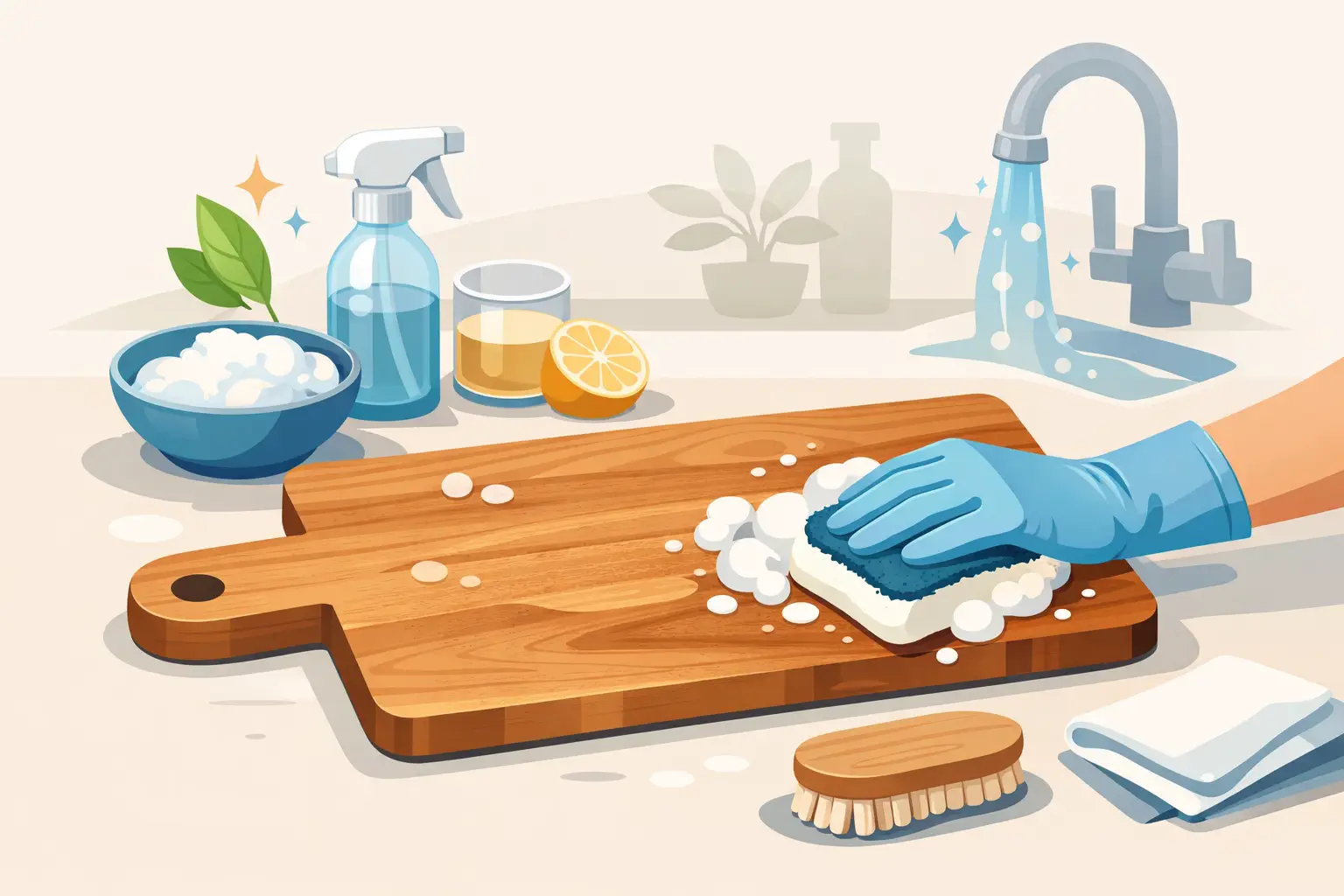
A wood cutting board can look great on the counter for years, or it can turn rough, stained, and cracked fast. The difference usually comes down to care. If you’re wondering how to clean wood cutting boards without drying them out, warping them, or leaving behind food residue, the good news is that the process is simple once you know what wood needs and what it does not.
Wood is durable, but it is not indestructible. It handles daily chopping well because the surface has some give, which is part of why so many home cooks prefer it over glass or harder synthetic surfaces. At the same time, wood is a natural material. It reacts to water, heat, and neglect. Clean it properly, dry it thoroughly, and condition it when needed, and a solid board can serve your kitchen for a long time.
How to clean wood cutting boards after everyday use
For day-to-day cleaning, keep it basic. As soon as you’re done using the board, scrape off loose food and rinse it with warm water. Then wash it by hand with a soft sponge or dishcloth, mild dish soap, and just enough warm water to clean the surface.
The key is to wash the board, not soak it. A quick hand wash removes oils, juices, and crumbs without forcing excess water deep into the grain. Once it is clean, dry it right away with a towel and stand it upright or prop it so air can move around both sides.
That last part matters more than most people think. If one side stays damp against the counter, moisture can settle unevenly and lead to cupping or warping over time. A board that dries evenly generally stays flatter and looks better longer.
If you only cut bread, fruit, herbs, or vegetables, this routine is usually all you need. For boards used with raw meat, poultry, or fish, the washing step needs to be more thorough, and the board should be fully dried before it goes back into use.
What not to do when cleaning a wood board
Most wood cutting board damage happens during cleaning, not cutting. The biggest mistake is putting it in the dishwasher. High heat, prolonged water exposure, and aggressive drying cycles are hard on solid wood. Even a thick, well-made board can split, twist, or open at the joints if it goes through repeated dishwasher cycles.
The next mistake is soaking the board in the sink. It might seem harmless to let it sit while you finish the dishes, but standing water is one of the fastest ways to stress wood fibers. A few minutes of washing is fine. Half an hour underwater is not.
Harsh cleaners are another problem. Bleach-heavy products, abrasive powders, and rough scrubbers can strip the surface or leave it fuzzy. In some cases, they can also affect the finish if your board has been properly conditioned with food-safe oil or wax.
And while it sounds obvious, avoid leaving a wet board flat on the counter overnight. That is an easy way to trap moisture on one face and encourage movement in the wood.
How to deep clean wood cutting boards
Sometimes a board needs more than soap and water. Maybe it picked up onion odor, has visible staining from berries or beets, or just feels like it needs a reset. That is when a deeper clean helps.
Start with the standard wash using mild soap and warm water. After that, you can use coarse salt and half a lemon to freshen the surface. Sprinkle salt across the board, then scrub with the cut side of the lemon, working the juice over the board in small circles. Let it sit for a few minutes, then wipe and rinse clean.
This method helps with surface odors and light discoloration, and it is gentle enough for routine use when needed. It is not magic, though. Deep stains that have worked into the wood may lighten without disappearing completely. That is normal with a hardworking board.
If the board smells sour or has buildup in knife marks, a paste of baking soda and water can help lift residue. Rub it in gently with a cloth or soft sponge, rinse thoroughly, and dry immediately. Use a light touch. You want to clean the board, not grind down the surface every week.
How to handle raw meat safely
People often ask whether wood is sanitary enough for meat prep. A quality wood cutting board can absolutely be used safely, but the cleaning has to be prompt and consistent.
After contact with raw meat, wash the board right away with hot water that is comfortable for hand washing and a good dish soap. Scrub the full surface, the edges, and the handle area if it has one. Rinse well, dry it with a clean towel, and let it air dry completely upright.
If you prepare raw proteins often, it is smart to keep one board dedicated to meat and another for produce, bread, or ready-to-eat foods. That is less about the board material and more about preventing cross-contamination in a busy kitchen.
If your board has deep grooves from years of knife use, cleaning becomes less straightforward because residue can settle into those cuts. At that point, sanding and refinishing may be the better move than trying to scrub harder.
Drying matters as much as washing
A clean board that stays wet is not really finished. Drying is a major part of proper care, especially in a kitchen where boards get frequent use.
After washing, wipe the board down right away with an absorbent towel. Then stand it on edge or place it on a rack so both sides can breathe. Thick butcher block boards and end grain boards can hold more moisture than they appear to, so give them time before stacking them away or laying them flat in a cabinet.
If your kitchen tends to stay humid, it may take longer for the board to dry fully. That is one reason many homeowners like having a heavier, well-crafted board with stable construction. Better materials and build quality help, but they still need the right care once they are in your home.
When and how to oil the board
Cleaning and conditioning are related, but they are not the same thing. Soap and water remove mess. Oil helps replace moisture balance in the wood and keeps the surface from looking chalky, dry, or brittle.
If your board starts looking faded, feels rough, or absorbs water quickly instead of beading it slightly at the surface, it is probably time to oil it. For many households, that means about once a month. In a busy kitchen, it may need attention more often. In lighter use, less often is fine.
Use a food-safe mineral oil or a board conditioner made for cutting boards. Apply a generous coat to a fully clean, fully dry board. Let it soak in for several hours or overnight, then wipe off the excess. Some owners like to follow with a food-safe board wax for added surface protection.
Avoid cooking oils like olive oil or vegetable oil. They can go rancid and leave an off smell over time. That is one shortcut that tends to create more trouble than it saves.
How to tell when a board needs resurfacing
Even well-maintained wood boards eventually show wear. That does not mean they are done. One of the advantages of real wood is that the surface can often be renewed.
If the board has raised grain, stubborn staining, knife scars, or a rough feel that oil no longer improves, light sanding may bring it back. Use fine sandpaper, work with the grain, wipe away dust, and then re-oil the board thoroughly. For deeper damage or a premium handmade board, careful resurfacing is worth the effort.
This is one reason many homeowners invest in solid wood boards in the first place. A well-built board is not disposable. With basic care and occasional maintenance, it can age well and continue to earn its place in the kitchen.
A simple routine that works
If you want the short version of how to clean wood cutting boards, it comes down to this: wash by hand with mild soap, never soak, dry right away, and oil when the wood starts looking thirsty. Deep clean only when needed, and do not wait too long to address roughness or heavy wear.
That routine is not complicated, but it respects the material. Wood rewards that kind of care. Whether your board is a daily meal-prep workhorse or a handcrafted piece you want to keep looking beautiful on the counter, a few steady habits will do more than any quick fix ever will.
A good wood board should feel better with use, not worse. Treat it like a real piece of craftsmanship, and it will keep showing up for dinner prep, holiday hosting, and everything in between.